
Plukenia exists because of
The problem
Sacha Inchi — Plukenetia volubilis — has grown in the South American Amazon and the Andean foothills for thousands of years. Its nutritional profile is not a discovery; it is a fact that indigenous communities understood long before a laboratory confirmed it.
And yet for decades the seed was left as a raw commodity: sold cheap, refined abroad, stripped of the compounds that made it valuable, and rebranded by someone else.
Plukenia was founded to close that gap. Not to export a raw material, but to build the entire chain — agronomy, processing, quality control, brand, and access to the markets that pay what the product is actually worth.
That means we press within 24 hours of harvest instead of shipping seed. It means we refuse to refine, even though refined oil is cheaper to produce and easier to sell. It means we pay farming families above commodity price and publish the analytical data for every batch.
They are structural decisions, and each of them costs us margin. We took them because the alternative — another anonymous commodity flowing out of the Amazon — is exactly the problem we set out to solve.
Why the team is the product
In functional nutrition, anyone can commission a formula, print a label and open a storefront. The category is crowded with brands that have a good designer and no supply chain.
What cannot be outsourced is the part that actually determines whether the product matches the claim on it: knowing which farms produce which lipid profile at which altitude, knowing what heat does to a tocopherol, knowing how a shipment clears a port in Miami or Long Beach and what documentation is required long before it gets there.
Plukenia was built by people who have done those things — in this crop, in this region, and in the markets we are selling to. The company is not a brand with a supplier. It is an operation with a brand attached to it.
Leadership

CCO & Co Founder
A founding partner of Plukenia and one of the pioneers of the internationalisation of Amazonian Sacha Inchi agroindustry.
An entrepreneur and consultant with a track record of building companies across branding, agroindustry and export markets, he has spent years developing what most producers of the crop never had: a route to the premium markets where Sacha Inchi is valued for what it is, rather than sold by weight into a commodity channel.
That work has spanned brand architecture, capital structuring, regulatory pathways for the United States and European Union, and the commercial relationships that turn an Amazonian harvest into a shelf position in a market that has never heard of the seed. Plukenia is the consolidation of that thesis into a single vertically integrated operation.
He leads Plukenia’s strategy, brand and international expansion from South America to the world.
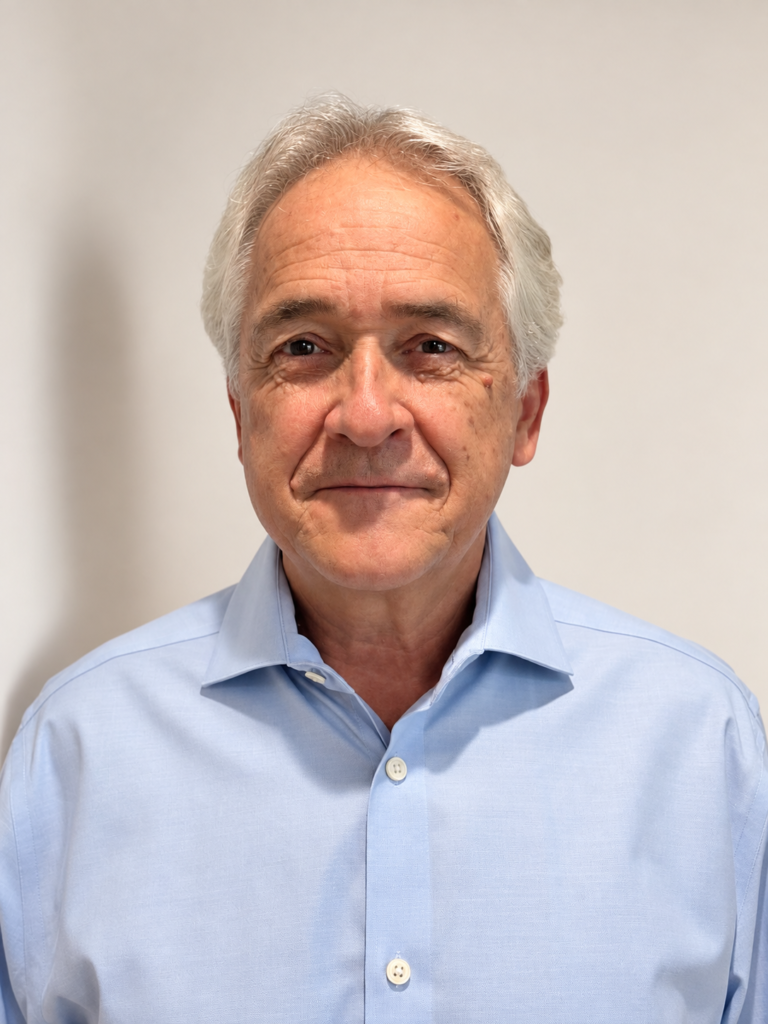
CEO & Founder
Jorge E. Moreno holds a Master of Science degree from the University of Florida’s Agronomy and Environmental Horticulture Departments and brings more than 25 years of experience in agronomy, horticulture, pest management, and agricultural inputs.
He began his career with Bayer CropScience, contributing to the introduction and stewardship of industry-defining insecticides including Premise®, Merit®, and Temprid®.
Over the years, his work evolved toward sustainable and biologically driven solutions, including leadership in biological and organic inputs at JHBiotech and business development for Vestaron Corporation, where he expanded the use of peptide-based bioinsecticides such as SpearLep® across the South-Central U.S. and Mexico.
Today, Jorge focuses on advancing biologically derived agricultural solutions that improve efficacy, reduce environmental impact, and support long-term soil and plant health.
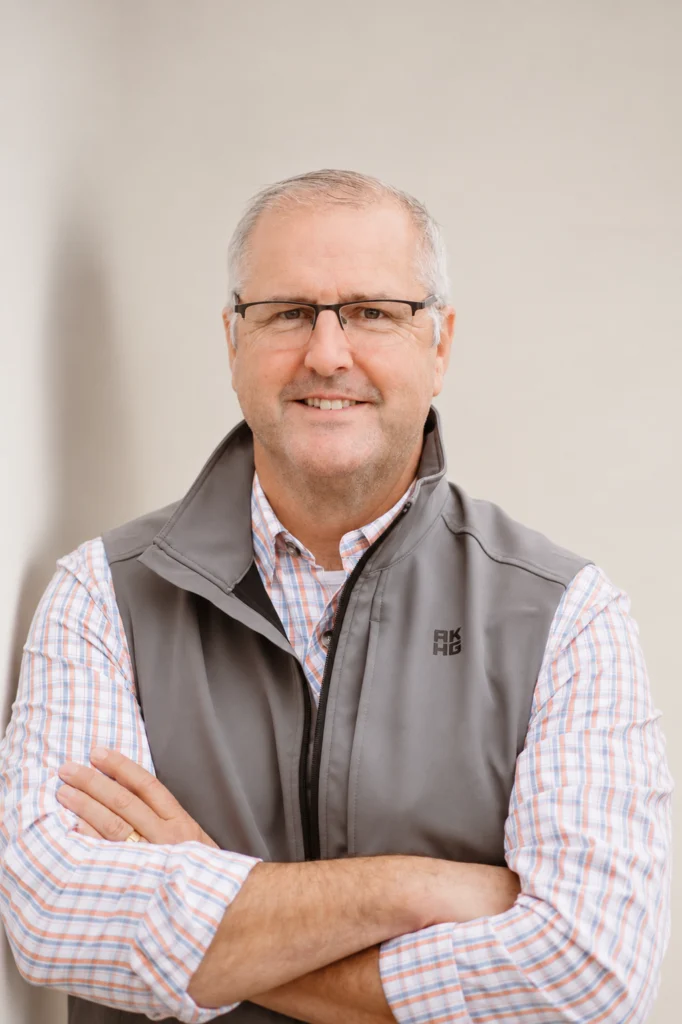
VP Sales
Kevin joins Plukenia as Head of North American Sales, where he leads the sales of ingredients and agricultural products across the North American market.
Originally from the Coulee Region of Wisconsin, Kevin is based in the heart of the Midwest, a region known for its strong organic food production and concentration of ingredient suppliers. His connection to this agricultural environment has shaped his passion for healthy food and for supporting farmers in producing high-quality, healthy food ingredients.
For Kevin, the relationship between agriculture and nutrition is clear: healthy food begins with healthy soils. As he puts it, “Healthy food starts with healthy soils—you can’t have one without the other.” This perspective reflects his commitment to connecting responsible agriculture with the ingredients that contribute to healthier food systems.

Graphic Designer and marketing professional with a strong background in branding, visual communication, web development, digital strategy, social media, and integrated marketing campaigns.
A graduate of Universidad del Norte in Barranquilla, Colombia, she has been working in the creative and marketing industry since 2018. Her experience includes the development, launch, and positioning of brands with strong market potential, particularly purpose-driven projects that combine strategic growth with meaningful social impact.
At Plukenia, she leads the company’s marketing and brand strategy, overseeing brand positioning, creative direction, communication, digital presence, content, and marketing initiatives. She plays a key role in translating Plukenia’s vision and social purpose into a distinctive brand capable of connecting with audiences and building a strong presence in the market.
Her approach brings together strategy, creativity, and purpose to build brands that not only stand out, but create meaningful and lasting value.
The wider operation
Many smallholder farming families in the Amazon grow the crop we depend on. They are not suppliers in a procurement system — they are the first and most consequential link in a chain where quality is decided at harvest, not at the factory. They are paid above commodity price, directly, without intermediaries, because a producer under economic pressure cannot afford to harvest at optimal maturity.
Alongside them: processing and quality control teams operating under GMP and ISO 22000, independent third-party laboratories who verify every batch, and the regulatory and logistics specialists who make an Amazonian product legally and physically available worldwide.
Every one of those relationships is visible in the certificate of analysis attached to the bottle in your hand.
Our commitments
It is easy to state values. These are the specific things we have decided against, each of which would make us more money:
Refined Sacha Inchi oil is cheaper, more stable on a shelf and easier to sell. It is also stripped of the tocopherols, polyphenols and phytosterols that make the oil worth buying.
Hexane raises yield and lowers cost. We press mechanically and accept the lower yield.
Our Science page states plainly what is established, what is qualified and what is unproven — including the things that do not favour us.
Every kilogram is traceable to a farm and a harvest date, or it does not enter the process.
A product built this way cannot be, and pretending otherwise would mean quietly abandoning one of the commitments above.